How to Become a Nurse Practitioner
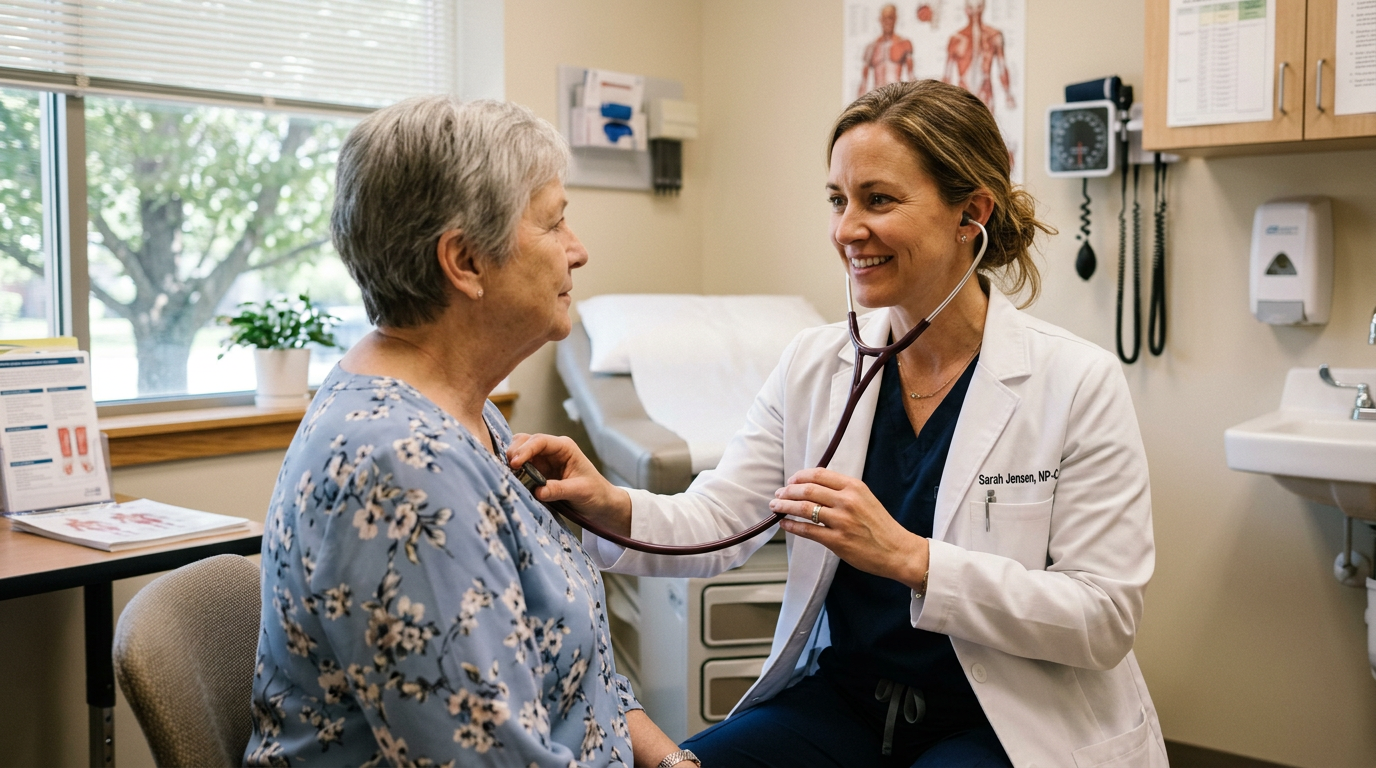
Nurse practitioners are advanced practice registered nurses (APRNs) who diagnose conditions, prescribe treatment, and in many states, practice with a significant degree of independence. Getting there means graduate education, national certification, and state licensure on top of your existing RN foundation.
Requirements, scope of practice, and prescriptive authority vary significantly by state. Always confirm current details with schools and your state’s board of nursing.
Step 1: Become a licensed RN with a BSN
Nurse practitioner programs are built on top of an existing BSN and active RN license. If you don’t have a BSN yet, see our Nursing Degree Types guide or RN-to-BSN Guide to get there first.
Step 2: Choose your population focus
“Nurse practitioner” isn’t one single track you’ll choose a specific population focus during graduate school, such as:
- Family Nurse Practitioner (FNP) – primary care across the lifespan
- Adult-Gerontology Primary Care or Acute Care NP
- Pediatric Nurse Practitioner (PNP)
- Psychiatric-Mental Health Nurse Practitioner (PMHNP)
- Women’s Health Nurse Practitioner (WHNP)
- Neonatal or Emergency Nurse Practitioner
Your choice here shapes your entire graduate curriculum and which certification exam you’ll eventually take.
Step 3: Complete an MSN or DNP with your chosen NP focus
Programs typically take about 2-4 years depending on the degree level (MSN vs. DNP) and whether you attend full- or part-time, and include a significant number of supervised clinical hours in your specialty population.
Step 4: Pass a national certification exam
After graduating, you’ll sit for a national certification exam specific to your population focus, administered by organizations such as the ANCC or AANP.
Step 5: Get licensed as an APRN in your state
Certification alone doesn’t authorize practice you’ll also need to apply for Advanced Practice Registered Nurse (APRN) licensure through your state’s board of nursing. This is also where your actual scope of practice gets determined, since states vary considerably in how independently NPs are allowed to practice.
Where nurse practitioners work
Primary care clinics, hospitals, specialty practices, urgent care, and increasingly telehealth. The specific settings depend heavily on your population focus and state scope-of-practice rules.
This guide is for general informational purposes and doesn’t guarantee program admission, certification, licensure, or employment. Confirm current requirements with schools, certifying bodies, and your state’s board of nursing.